
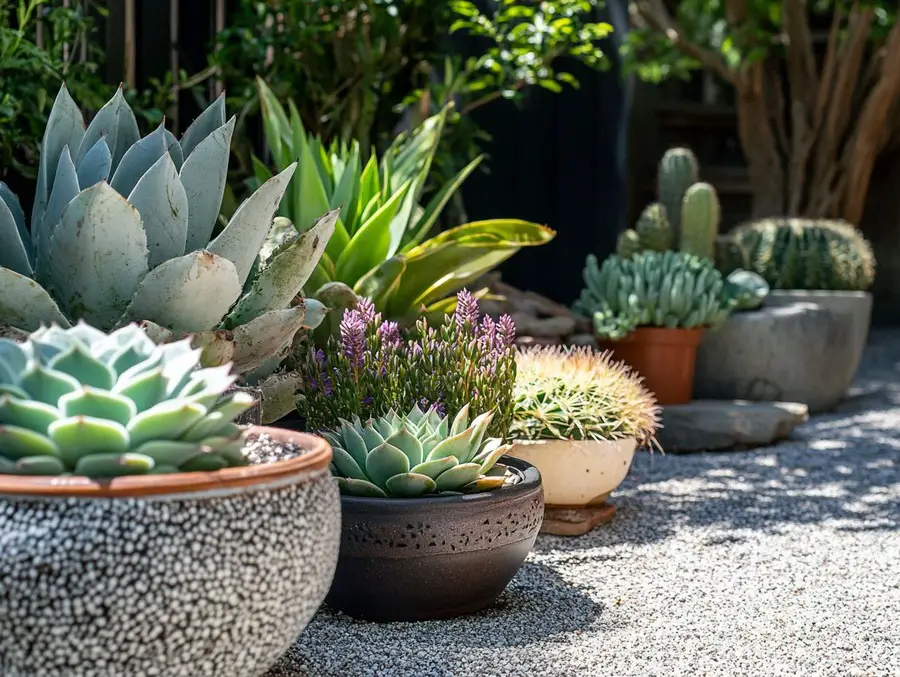
Container plants for xeriscaping make it easy to create low-water gardens in patios, balconies, and small outdoor spaces. With the right drought-tolerant plants, containers can save water while still adding color, texture, and structure.
Container xeriscaping also gives you more control over soil, drainage, and plant placement, making it one of the easiest ways to start water-wise gardening.
In this guide, you’ll learn which plants work best in containers, how to keep them healthy, and how to build attractive low-water container displays.
What You’ll Learn
- Which plants work best for xeriscape containers
- How to choose the right pots and drainage
- How to combine plants for better visual balance
- How to water container xeriscapes efficiently
- How to keep container plants healthy long term
Quick Answer
The best container plants for xeriscaping include succulents, rosemary, lavender, sedum, ornamental grasses, and drought-tolerant flowers because they handle dry conditions and limited root space well.
Container Plants for Xeriscaping: Eco-Friendly Landscaping
Xeriscaping is a fantastic way to garden sustainably while conserving water and creating beautiful outdoor spaces.
By using drought-resistant plants and smart design strategies, you can enhance your garden’s look and significantly cut down on water usage.
This article will dive into container plants for xeriscaping, covering how to choose the right plants, tips for keeping them healthy, and some creative design ideas to make your garden both stunning and water-wise.
Get ready to discover how to create a thriving, eco-friendly garden that thrives in dry conditions!
Why Containers Work Well for Xeriscaping
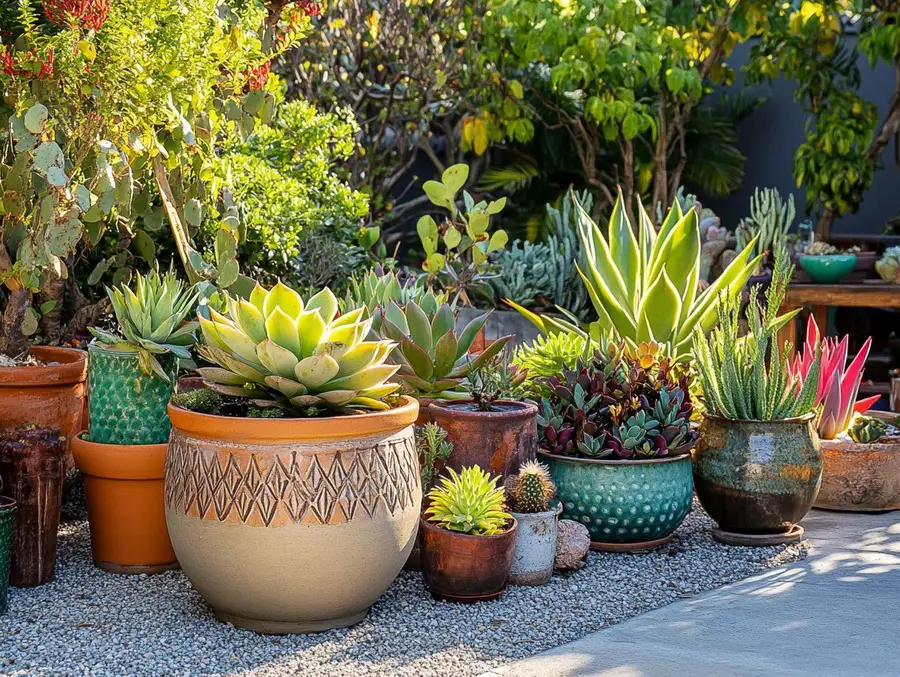
Container gardening works especially well for xeriscaping because it gives you more control over soil, drainage, and plant placement. That makes it easier to grow drought-tolerant plants while managing water more efficiently.
Unlike in-ground planting, containers let you create low-water garden spaces almost anywhere, including patios, balconies, entryways, and small yards. This flexibility makes xeriscaping more accessible, especially when space is limited.
Benefits of Container Xeriscaping
One of the biggest benefits of container xeriscaping is water control. With the right pot size, proper drainage holes, and a well-draining soil mix, you can reduce water waste while keeping plants healthy.
Container xeriscapes are also easier to maintain, move, and redesign as needed. They work well with drought-tolerant herbs, succulents, ornamental grasses, and flowering plants, giving you a practical way to build attractive low-water gardens without needing a full landscape makeover.
Choosing Container Plants for Xeriscaping
When you’re picking container plants for xeriscaping, it’s important to think about a few key factors like the size of the container, drainage, and the specific soil types that work best for drought-tolerant plants.
This will help ensure successful growth and sustainability in your garden design.
Factors to Consider
When you’re selecting the right container plants for xeriscaping, it’s important to consider factors like soil pH, drainage materials, and sunlight requirements to create a thriving environment for your drought-resistant plants.
Understanding these variables is key to promoting healthy growth and maximizing the lifespan of your plants in limited water conditions.
Soil pH is a big deal when it comes to nutrient availability and certain plants thrive in specific pH ranges, so it pays to do your homework.
Using the right drainage materials, like gravel or perforated pots, can help prevent waterlogging, which is the last thing you want because it can lead to root rot.
Don’t forget to check sunlight exposure, too. Some drought-tolerant plants love soaking up the full sun, while others prefer a bit of partial shade.
By tailoring these elements to match the plants you choose, you can set yourself up for a sustainable and successful container garden that flourishes, even with minimal water.
Types of Container Plants for Xeriscaping
When you’re looking into container plants for xeriscaping, you’ve got a whole bunch of options to choose from.
Think succulents, drought-tolerant flowers, ornamental grasses, cacti, and both perennials and annuals.
These plants can help you create a vibrant and resilient garden space that thrives even in dry conditions.
Succulents for Xeriscaping
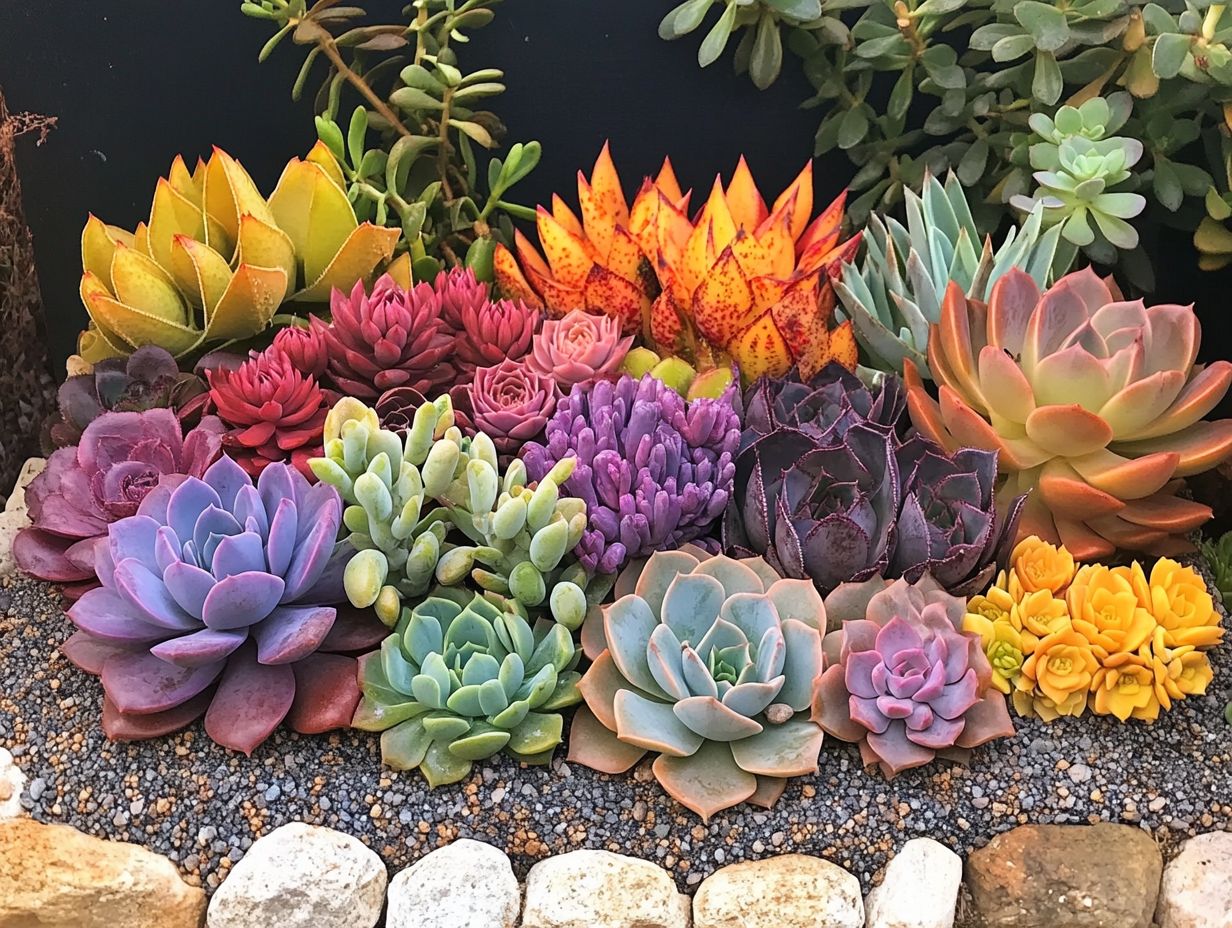
Succulents are a fantastic choice for xeriscaping because they have this cool ability to store water, making them perfect plants for drought resistance and container gardening.
These tough little guys come in all sorts of shapes, sizes, and colors, which means you can create stunning visual combinations in your garden design.
For example, Echeveria and Sedum species have vibrant rosettes, while Agave and Aloe bring in bold architectural shapes.
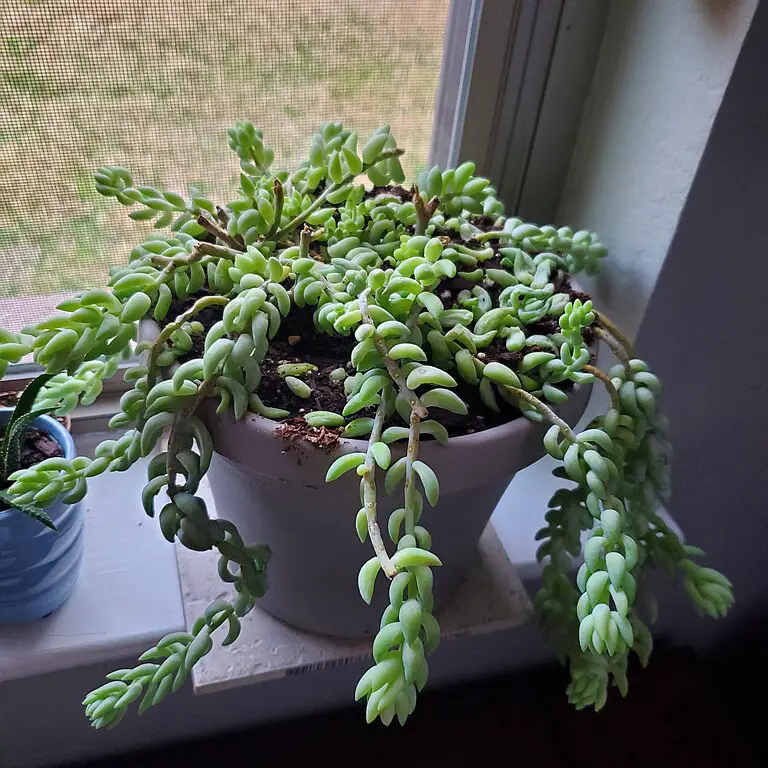
Plus, their maintenance is a breeze; you usually just need to give them occasional watering and provide well-draining soil, making them ideal for anyone looking for a low-maintenance gardening option.
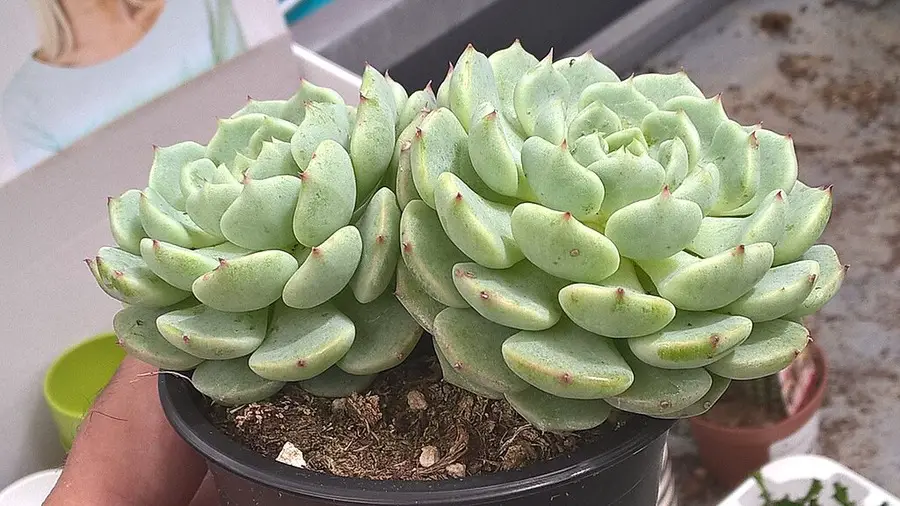
And let’s not forget the seasonal magic—many succulents burst into captivating blooms, adding pops of color that attract pollinators and elevate the overall beauty of your landscape.
Drought-Tolerant Flowers
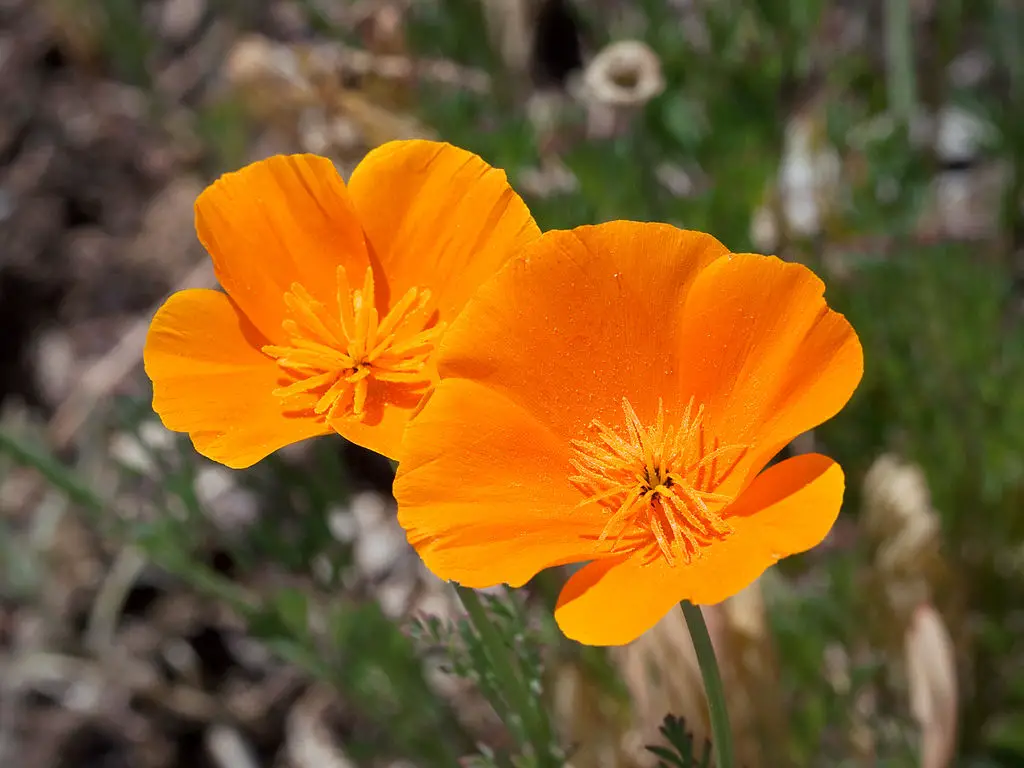
Drought-tolerant flowers are a fantastic way to add vibrant color and seasonal interest to your xeriscaping while requiring minimal water to thrive. They’re an excellent choice for eco-friendly gardening.
Among these standout varieties, you’ll discover the bright yellows of California poppies, the striking blues of blue flax, and the rich purples of lavender.

Each of these flowers brings its unique flair to any landscaping project you take on.
They look amazing, and they also pair beautifully with the textures of ornamental grasses and succulents.
These flowers don’t just turn heads; they also enhance biodiversity in your garden by providing food and habitat for pollinators like bees and butterflies, which helps support local ecosystems.
Plus, these resilient species can thrive in various soil types while reducing runoff and conserving water, making them essential for your sustainable landscaping efforts.
Grasses and Shrubs
Incorporating ornamental grasses and hardy shrubs into your xeriscaping design can really amp up the visual appeal of your landscape while also boosting biodiversity and creating habitats for native wildlife.
These drought-resistant plants come in all shapes and sizes; some grasses can reach up to four feet tall, while low-growing shrubs might only hit a foot.
This variety gives you the chance to create a layered garden effect. Imagine taller grasses like Miscanthus giganteus serving as a stunning backdrop for shorter native shrubs like Salvia and Rudbeckia.
Combining these elements helps you achieve a cohesive design cuts down on maintenance.
Many of these species thrive with minimal water and care once they’re established.
Plus, these thoughtful pairings can attract beneficial insects and pollinators, really enhancing the ecological value of your landscape.
Tips for Maintaining Container Plants in Xeriscaping
To keep your container plants thriving in a xeriscaping setup, it’s important for you to establish a consistent watering schedule, use the right fertilization techniques, and apply effective pest management strategies.
These steps are essential for successful organic gardening.
Watering and Fertilizing
Establishing a proper watering schedule and understanding the fertilization needs of your container plants is crucial for keeping your soil healthy, ensuring moisture retention, and promoting growth.
Try using various watering techniques like drip irrigation or soaker hoses to optimize your water usage, especially if you’re into xeriscaping.
These methods deliver moisture straight to the soil and roots, cutting down on evaporation and runoff.
Incorporating organic soil amendments, such as compost, worm castings, or mulch, can do wonders for your soil structure and boost beneficial microbial activity, which is great for plant vitality.
In terms of fertilization, picking slow-release or organic fertilizers designed for drought-resistant species is key.
This approach complements your watering techniques and supports sustainable gardening.
By combining these practices, you can create an eco-friendly landscape that thrives with minimal resources.
Pest and Disease Control
Effective pest management and disease control are essential for keeping your container plants safe in xeriscaping.
It’s all about blending organic gardening techniques with some proactive monitoring.
When you learn to identify pests early, you can jump into action before those infestations have a chance to spread.
This is especially important if you’re going for a maintenance-free gardening approach.
Regularly checking your plants for signs of distress, like discoloration or damaged leaves, gives you the power to maintain a healthier ecosystem.
Using techniques like companion planting can really boost biodiversity in your garden.
It attracts beneficial insects that love to snack on common pests.
Plus, introducing organic solutions like neem oil or insecticidal soap can help treat and prevent infestations while keeping the environment safe.
By emphasizing these natural strategies, you protect your container gardens and promote sustainable practices that enhance the overall health of your garden.
Design Ideas for Container Plants in Xeriscaping
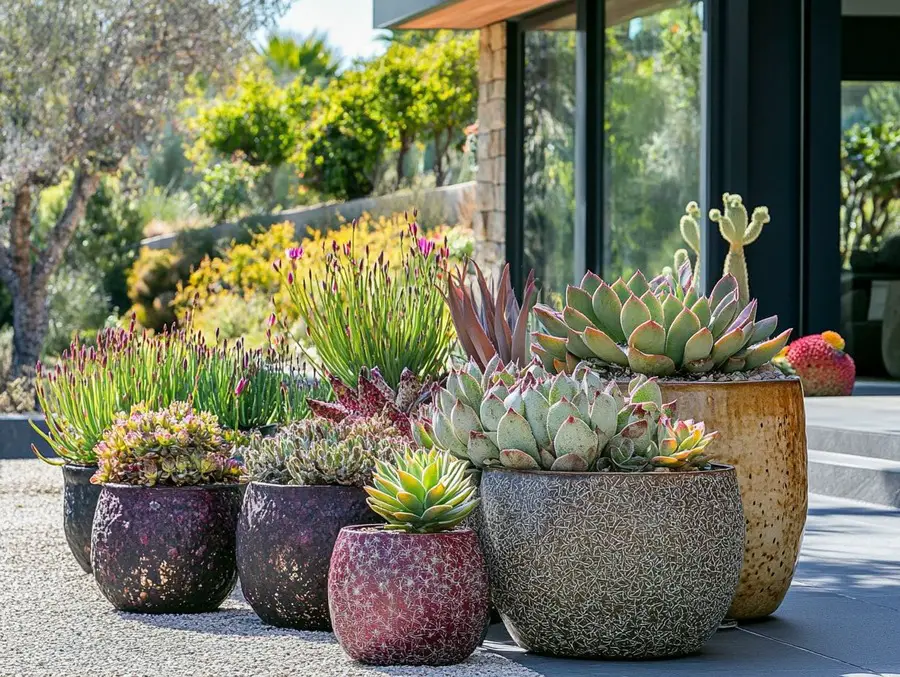
Creating a water-wise garden with container plants opens up a whole new world of design possibilities for you.
You can create stunning visual interest by mixing innovative garden architecture with unique plant combinations that are perfect for xeriscaping.
Creating a Water-Wise Garden
Creating a water-wise garden is all about choosing drought-tolerant plants and using smart design techniques that maximize water efficiency while keeping your landscape looking attractive and sustainable.
To get started, think about picking native species that are already well-suited to your local climate and soil.
This way, they’ll need less maintenance and watering. Grouping plants based on their watering needs can really boost the overall efficiency of your garden.
It allows you to focus your irrigation efforts where they’re needed most.
Don’t forget about mulch! Not only does it help conserve moisture, but it also keeps those pesky weeds at bay, promoting a healthier garden ecosystem.
Using drip irrigation systems can be a game changer. They deliver moisture directly to the roots, cutting down on evaporation and runoff, which means you’re aligning your garden with sustainable practices and reaping long-term environmental benefits.
Combining Container Plants with Other Xeriscaping Techniques
Combining container plants with other xeriscaping techniques can help you create a diverse, low-maintenance garden that conserves water and boosts the beauty of your landscape.
This approach lets you get creative with limited spaces while considering the specific environmental conditions in your area.
By incorporating elements like mulching, you can effectively reduce evaporation and keep those pesky weeds at bay, creating a thriving ecosystem for your container plants.
Using organic amendments is a great way to enrich the soil, ensuring that your plants don’t just survive but actually flourish.
When you choose climate-adaptive plants, you’re setting up a solid foundation for a sustainable landscape.
These species are well-suited to your local climate and require less water, making them perfect allies in your mission to conserve resources while still maximizing visual appeal.
Container Plants for Xeriscaping FAQs
What plants grow best in xeriscape containers?
Succulents, sedum, rosemary, thyme, lavender, ornamental grasses, and drought-tolerant flowers are some of the best choices.
Do xeriscape container plants need more watering?
Usually yes. Containers dry out faster than in-ground gardens, so even drought-tolerant plants may need more frequent watering.
What type of pots work best?
Terracotta and unglazed clay pots work well because they improve airflow and drainage, but any pot with drainage holes can work.
Can I grow herbs in xeriscape containers?
Yes. Herbs like rosemary, thyme, oregano, and sage often do very well in low-water container gardens.
What is the biggest mistake with container xeriscaping?
Overwatering is one of the biggest mistakes because containers can trap excess moisture if drainage is poor.
Final Thoughts
Container xeriscaping makes low-water gardening possible even in small spaces where traditional landscaping is limited.
By choosing drought-tolerant plants and using the right containers, you can build flexible, attractive garden spaces that use less water and stay easier to manage.
It’s one of the simplest ways to start xeriscaping without committing to a full yard redesign.
Explore More Xeriscape Plant Guides
What is xeriscaping? A beginner’s guide to drought-tolerant landscaping -CSU